
Content is King
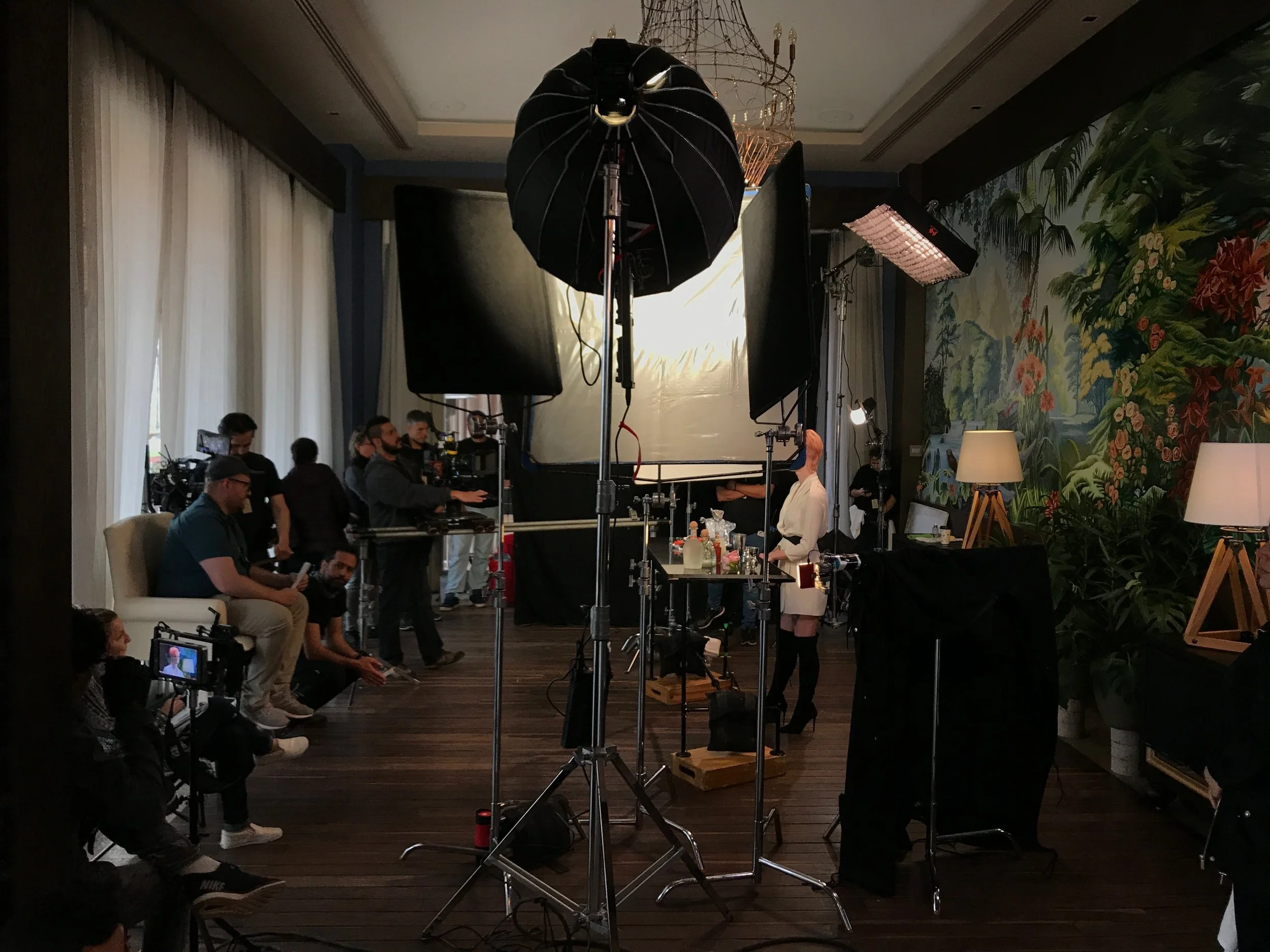
Shooting for Patrón Tequila in Guadalajara Mexico
A strong commercial is rarely defined by the size of its shoot. It is defined by the clarity of the feeling it leaves behind. Commercial video production gives a brand the structure to turn a business objective into images, performances, sound, and pacing that people remember after the message ends.
For brand leaders and agency teams, that distinction matters. Campaigns are asked to work harder than ever: establish a point of view, earn attention in crowded feeds, support a launch, create usable assets, and still feel considered rather than manufactured. The answer is not simply more content. It is a production approach built around a specific idea and executed with enough craft to make that idea hold.
Commercial Video Production Starts Before the Shoot
The most visible part of production is often the least forgiving: the days on set, when locations, talent, light, weather, schedules, and a large crew converge. But the work that determines whether those days produce something distinctive begins much earlier.
A useful brief does more than state deliverables. It identifies the tension worth exploring. A beverage campaign may be about refreshment, but its film could be about the ritual of gathering. A financial services spot may need to communicate trust, but its story might focus on the confidence that lets someone take a meaningful next step. A technology launch may have an impressive feature set, yet the audience needs to see how that technology changes a real moment.
That strategic center guides every creative decision. It tells the director what to pursue in a performance, the cinematographer where to place the camera, the production designer which details deserve attention, and the editor what must remain when a 90-second film becomes a 15-second cutdown.
The strongest production partners ask direct questions before presenting a treatment: What must the audience believe or feel? Who is the film really for? Where will it live first? What visual territory belongs to the brand, and what has already become familiar category language? Clear answers protect the work from becoming a collection of attractive but disconnected shots.
A treatment is a production plan, not just a mood
A compelling treatment establishes tone, but it must also prove that the concept can be made. It should connect visual references to locations, casting, production design, camera movement, wardrobe, music, and editorial rhythm. It should identify the moments that carry the story and the practical choices required to capture them.
This is where creative ambition meets real production intelligence. A remote location can add scale and texture, but it may reduce daylight flexibility and increase travel complexity. A large cast can create energy, but it needs time for blocking and coverage. Shooting practical effects in camera may produce a tactile image that audiences feel, but it requires careful testing and contingency planning.
None of those trade-offs are reasons to make the work smaller. They are reasons to make the plan sharper.
Build for the Hero Film and the Full Campaign
A commercial rarely lives in one format. The hero film may run on connected TV, in a presentation, or at an event. Vertical edits need to feel native to social platforms. Short cutdowns must land a message before the viewer scrolls. Stills, behind-the-scenes footage, product details, and alternate scenes can extend the campaign long after the primary launch.
Planning these needs early changes the shoot. It affects framing, art direction, coverage, and the editorial schedule. If a vertical deliverable is considered only after principal photography, the final crop can feel like an afterthought. If social assets are captured alongside the hero campaign, they can carry the same visual language while speaking at a different pace.
That does not mean every setup needs to serve every channel. Trying to make a single shot solve every deliverable often makes it less effective everywhere. The better approach is to define the role of each asset. The hero film creates emotional gravity. Short edits isolate one vivid idea. Product assets clarify features or utility. Documentary-style material can add credibility and human perspective.
A production company should help establish that hierarchy before the call sheet is built. It keeps the crew focused on what matters most while giving the client a delivery package with genuine range.
Craft Is What Makes a Brand Feel Believable
Audiences may not name the lens, lighting approach, or sound mix. They recognize the result. They sense when a world has been considered, when movement has purpose, and when the image feels appropriate to the story rather than copied from a trend.
Cinematic craft is especially valuable when a brand has something complex to communicate. A carefully observed documentary-style scene can make a large institution feel human. A precise location, cast, and production design can give a new product immediate cultural context. An anamorphic image may bring scale and texture to a brand anthem, while a cleaner, more immediate camera language may better suit a performance-driven campaign.
The right tools follow the concept. High-end camera systems, specialty lenses, and a capable lighting package expand the creative options available to a production, but equipment alone does not create meaning. It gives experienced departments the control to shape color, depth, motion, and atmosphere with intention.
The Moniker approaches that control as part of the storytelling process, combining turnkey production with cinema-grade camera and lens resources when the work calls for it. The objective is not technical display. It is an image that feels impossible to ignore and unmistakably connected to the brand.
The details that hold up in post
Production value is often discussed as a visual category, but sound and editorial are equally responsible for a film's authority. A location's room tone, the texture of footsteps, the pause before a line, and a music cue that arrives one beat later than expected can change the emotional read of a scene.
Editorial also reveals whether the original plan had a clear center. A well-shot campaign provides options without overwhelming the story. The editor needs purposeful coverage: the action that moves the narrative, the reactions that give it weight, and the visual transitions that make a campaign feel composed rather than assembled.
A disciplined postproduction process includes color, sound design, music, graphics, finishing, review cycles, versioning, and delivery specifications. Each stage needs enough time. Compressing post can be necessary for a timely launch, but it is a trade-off. The earlier stakeholders align on creative approvals and final formats, the more room remains for the work itself.
Choose a Production Partner for Judgment
Reels matter. They show visual fluency, range, and the level at which a team has operated. But the right partner also brings judgment under pressure. They can distinguish a useful production complication from an expensive distraction. They can protect the central idea when a location changes, a weather window closes, or a schedule becomes tighter than planned.
For national and international campaigns, operational experience matters as much as creative taste. A destination production may require permits, travel coordination, local crew relationships, equipment planning, and a realistic understanding of what can happen in a limited window. The goal is not to make the complexity visible to the client. It is to make the finished film feel effortless.
Ask how a prospective team develops ideas, staffs key departments, plans for alternate deliverables, manages feedback, and handles changing conditions. Ask which choices they would protect if the schedule had to move. Their answers will reveal whether they are simply equipped to shoot or equipped to lead.
Make the Work Worth Watching
The best commercial films do not feel like a brand interrupting culture. They feel like a piece of culture with a brand behind it. That requires restraint. Not every frame needs a claim. Not every second needs to explain. Give the audience a reason to stay with the story, then make the product or message feel inseparable from what they just experienced.
Start the next brief by identifying the one image, action, or human truth the audience should carry away. Build the production around earning that moment. When the final frame arrives, the campaign will have more than completed its deliverables. It will have given people something worth remembering.